History
Galka Scheyer (1889–1945) was a German-Jewish art dealer, educator, impresario, and a key mediator of European modernism in the United States. After studying art across Europe, she formed close relationships with artist Alexej von Jawlensky and the Bauhaus-affiliated artists Wassily Kandinsky, Paul Klee, and Lyonel Feininger. In 1924, they established the artist group “The Blue Four.” That same year, Scheyer relocated to the United States, where she became their West Coast representative, dedicated to introducing and promoting their work to U.S. audiences.
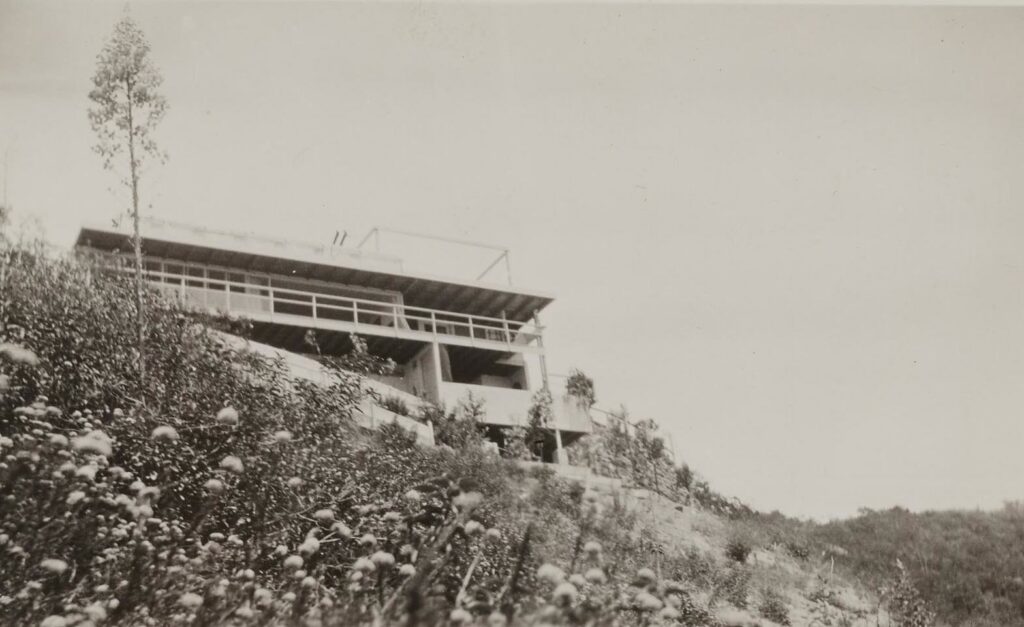
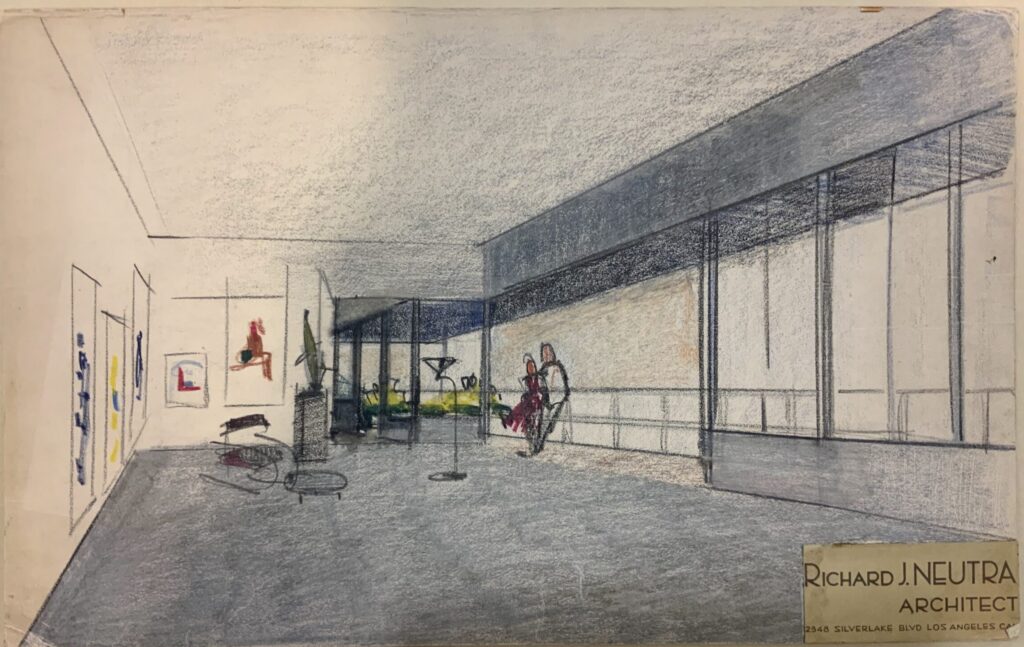
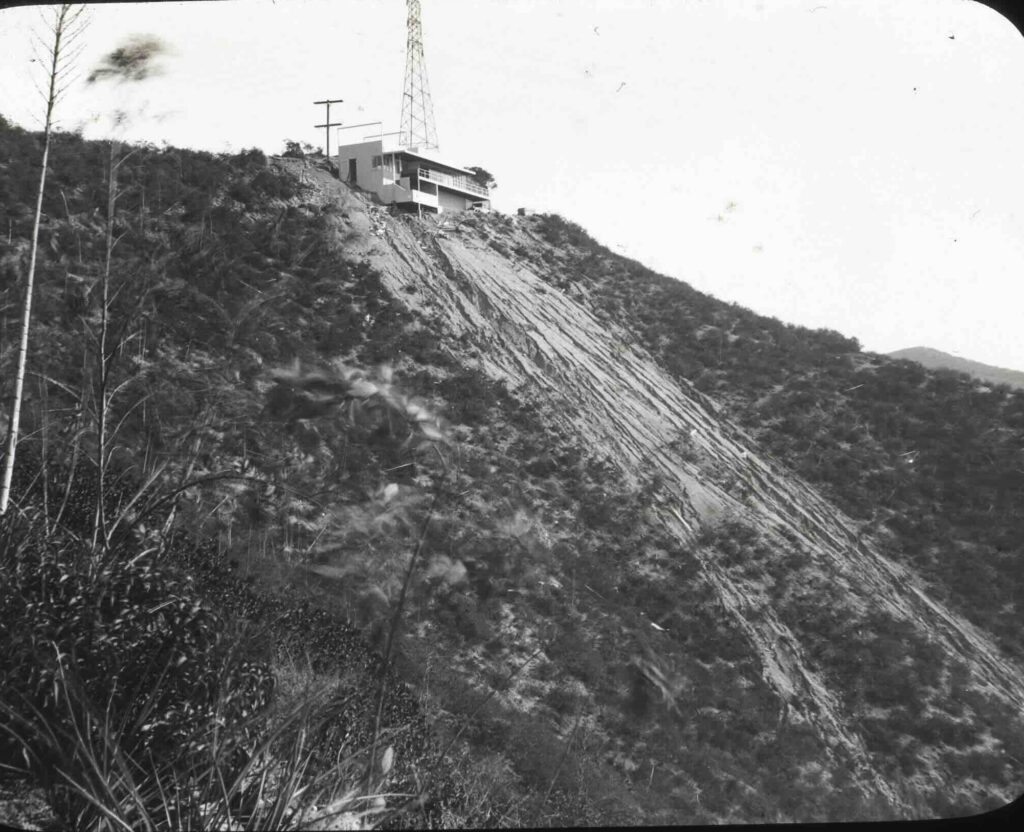
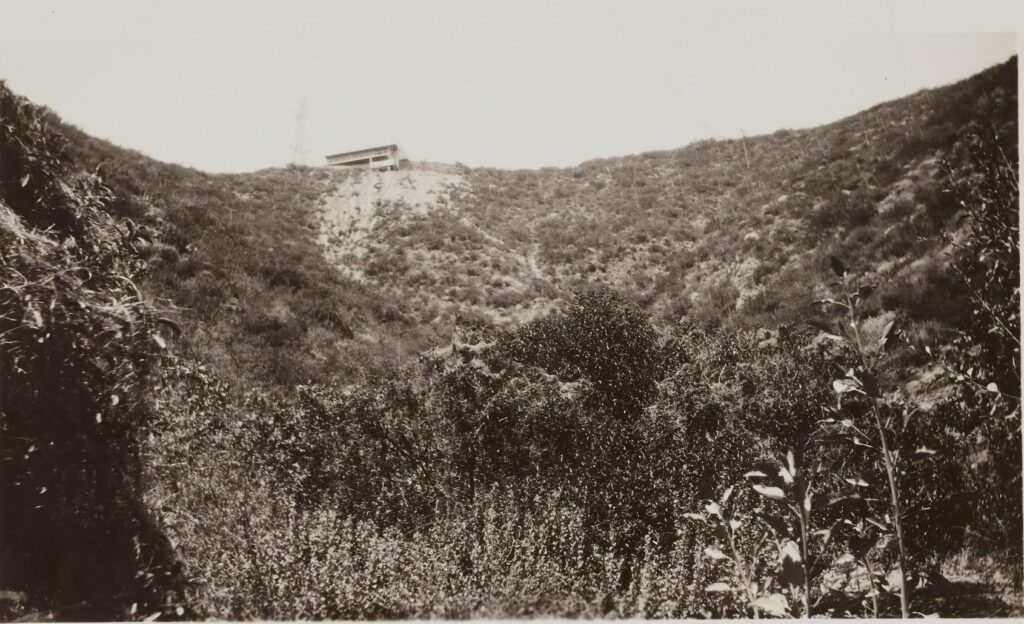
In 1933, Scheyer acquired a site in the Hollywood Hills and commissioned renowned Austrian-American architect Richard Neutra to design her residence. During a final trip to Germany in 1933, she saved more than 200 artworks from the Nazis and managed to bring them to California.
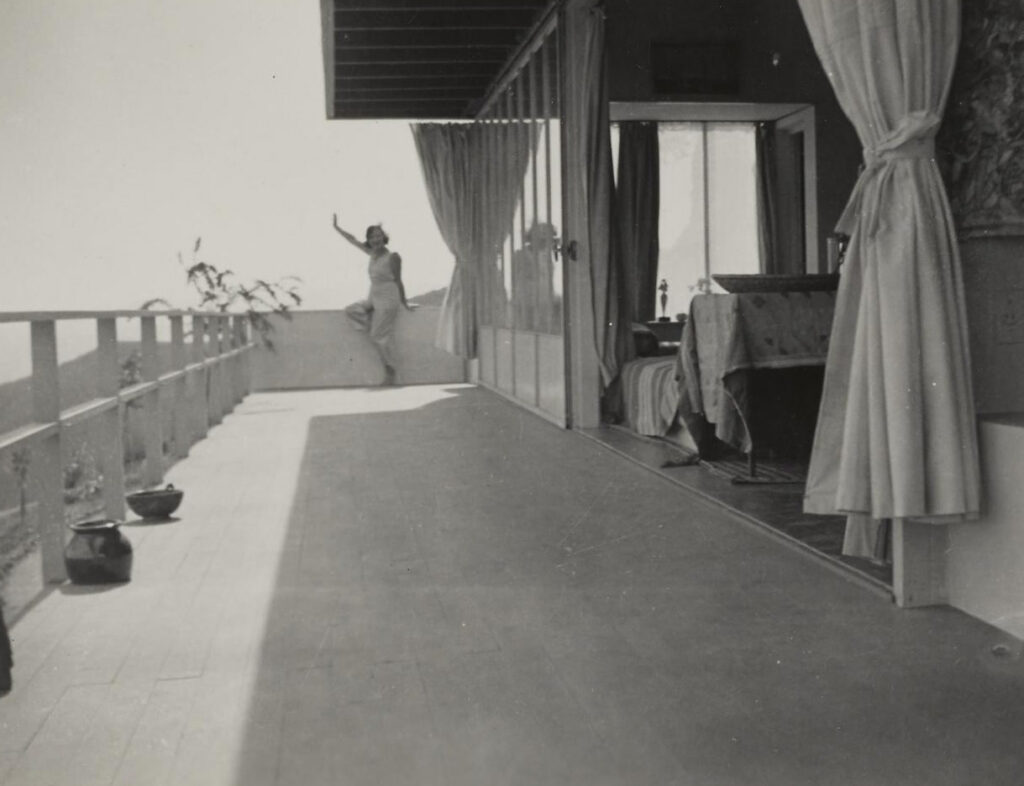
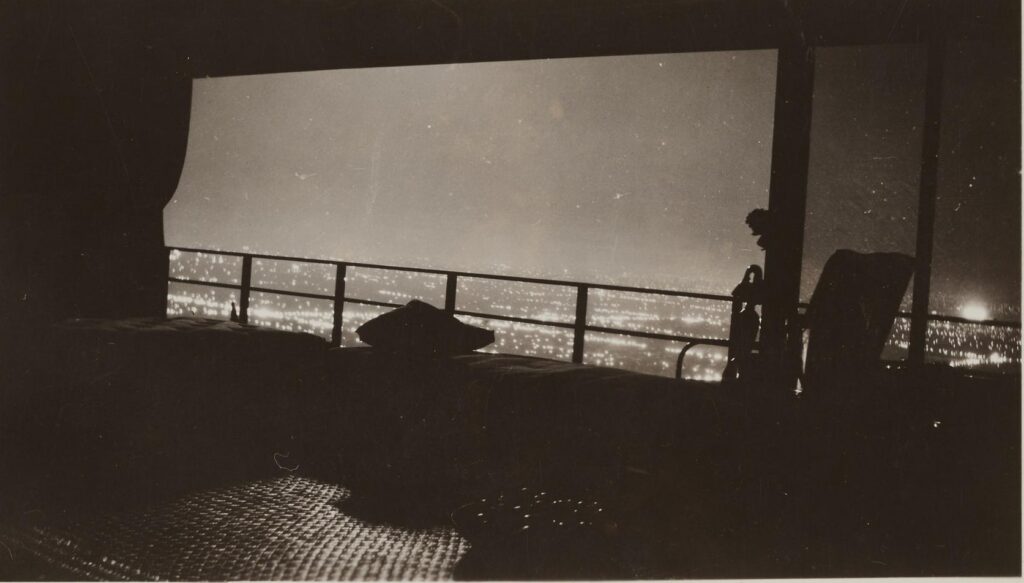
Completed in 1934, the house was conceived as a hybrid space — at once a private home, gallery, and salon. It embodied key principles of modernist architecture, including open-plan living, fluid transitions between interior and exterior spaces, and a light, elevated structure that engages with the surrounding landscape.
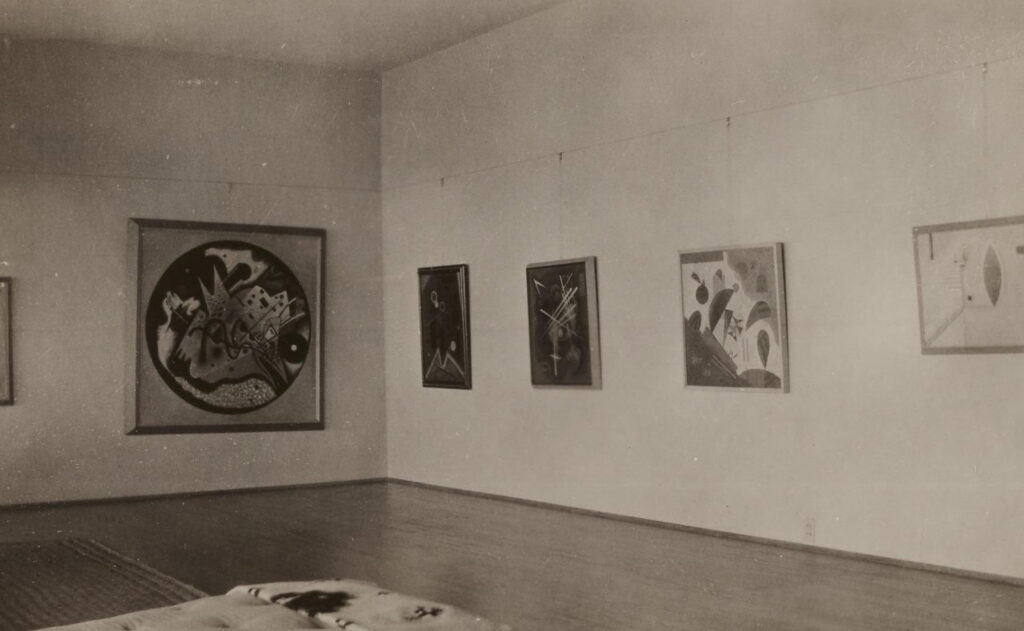
During Scheyer’s lifetime, the house became an active site of artistic exchange. Among its visitors were experimental filmmaker Maya Deren, prominent émigré filmmakers including Fritz Lang and Josef von Sternberg, composers such as Arnold Schönberg and John Cage, and the director of the New Bauhaus László Moholy-Nagy. She used the gallery room to display her collection and the artworks she saved from Germany.
The house became a space for people to engage with abstract art and the ideas behind it. Scheyer lived and worked in the house until her early death in 1945. At this point she had built a significant art collection, which she ensured would remain in California. This collection later became foundational to the Pasadena Art Museum and continues to shape the holdings of the Norton Simon Museum today — testifying to her lasting impact on the cultural landscape of Southern California.
Following her death, the house remained in private hands for decades. Today, it stands as both an architectural landmark and a site of cultural memory, reflecting Scheyer’s vision and her role in establishing Los Angeles as an important center for modern art.